MONDAY, Nov. 28, 2022 (HealthDay News) — Eating more berries and drinking tea may help slow mental decline as you age, new research suggests. In a study of more than 900 adults, researchers found that foods like these — containing antioxidant flavonols — delivered brain benefits to older adults. FlavonolsContinue Reading

TUESDAY, Nov. 22, 2022 (HealthDay News) — Researchers have found a way to safely deliver a steady supply of chemotherapy directly to brain tumors — in what they hope will be an important advance for patients with currently incurable cancers. The treatment involves an implantable pump system that supplies aContinue Reading

TUESDAY, Nov. 22, 2022 (HealthDay News) — Exposure to even low levels of alcohol while in the womb can change the structure of the fetus’ brain, according to Austrian researchers. The study results suggest that pregnant women should strictly avoid alcohol, one author said. “Unfortunately, many pregnant women are unawareContinue Reading

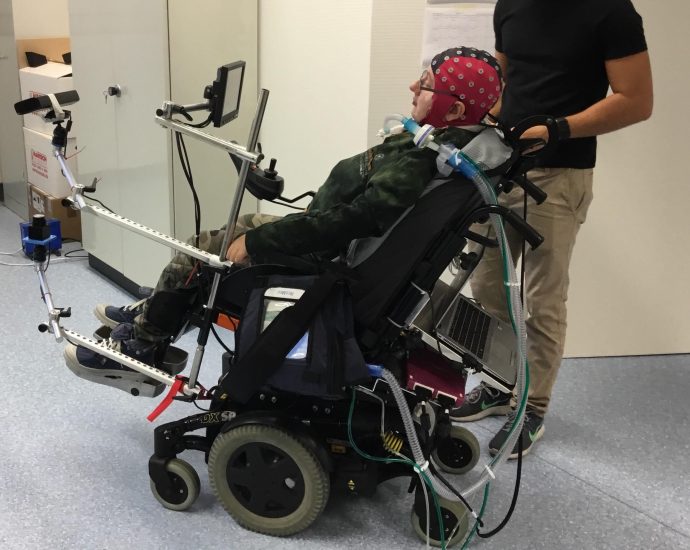
FRIDAY, Nov. 18, 2022 (HealthDay News) — A severely paralyzed person no longer needs to go through brain surgery to try and steer a motorized wheelchair with their mind, researchers report. Through an electrode-studded cap placed on their head, several people with quadriplegia — no function in all four limbsContinue Reading

MONDAY, Nov. 14, 2022 (HealthDay News) — The brains of girls and boys who have binge eating disorder show key differences, according to a new study. That’s an important finding, researchers say, because both genders struggle with eating disorders, yet treatments are mainly targeted at girls. “Males have been excludedContinue Reading

SUNDAY, Nov. 13, 2022 (HealthDay News) — While most homes aren’t designed to be dementia-friendly, they can easily be adapted, according to a national Alzheimer’s disease group. “Virtually every aspect of a home can affect the person’s quality of life,” said Charles Fuschillo Jr., president and CEO of the Alzheimer’sContinue Reading

THURSDAY, Nov. 10, 2022 (HealthDay News) — Lead is known to damage young children’s brains, and a new study suggests the effects may still be apparent in old age. Researchers found that among nearly 1,100 older U.S. adults, those who grew up in cities with lead-contaminated drinking water generally scoredContinue Reading