
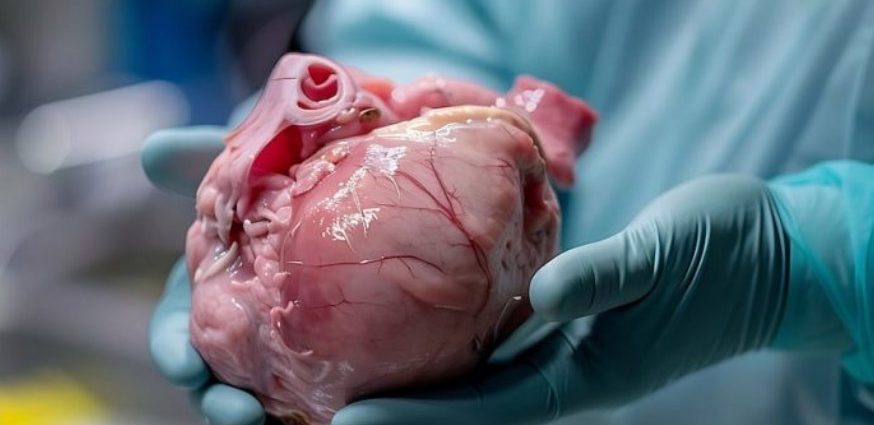
A groundbreaking clinical trial has launched in the United States to determine whether pig kidneys could help save the lives of people awaiting human organ transplants.
United Therapeutics, the company that developed the genetically edited pig kidneys, announced Monday that the first transplant in the trial has already occurred at NYU Langone Health.
The patient’s identity and surgery date were not disclosed due to privacy considerations.
NYU surgeon Dr. Robert Montgomery, who led the transplant team, said the hospital already has additional patients waiting to participate in the study.
The trial will start with six participants and could expand to as many as 50 people if early results prove safe and encouraging.
The Transplant Crisis
More than 100,000 Americans are on the national transplant waitlist, with the majority needing a kidney.
Thousands die annually because insufficient donor organs are available. This shortage has prompted scientists to explore xenotransplantation—transplanting animal organs into humans—as a potential solution.
Previous Attempts
Earlier “compassionate use” procedures produced mixed outcomes. One woman survived 130 days with a pig kidney before requiring dialysis again, and a man in New Hampshire lived 271 days before his pig kidney began failing and was removed.
Several additional patients in the United States and China are currently living with pig kidneys.
Montgomery told The Associated Press: “This thing is moving in the right direction,” noting that because patients can return to dialysis if necessary, the procedure includes a built-in safety mechanism.
The Technology
The pig kidneys being tested in this study contain 10 genetic modifications. The edits eliminate pig genes that trigger organ rejection and introduce human genes that may help the body accept the transplant.
Another company, eGenesis, is also preparing to launch a similar clinical trial soon.
This trial represents a significant milestone in efforts to address the critical shortage of transplantable organs, potentially offering hope to thousands of patients who die waiting for human donor kidneys each year.