
A decades-old cancer medication may soon receive approval to help children with certain autism-related symptoms connected to folate deficiency.
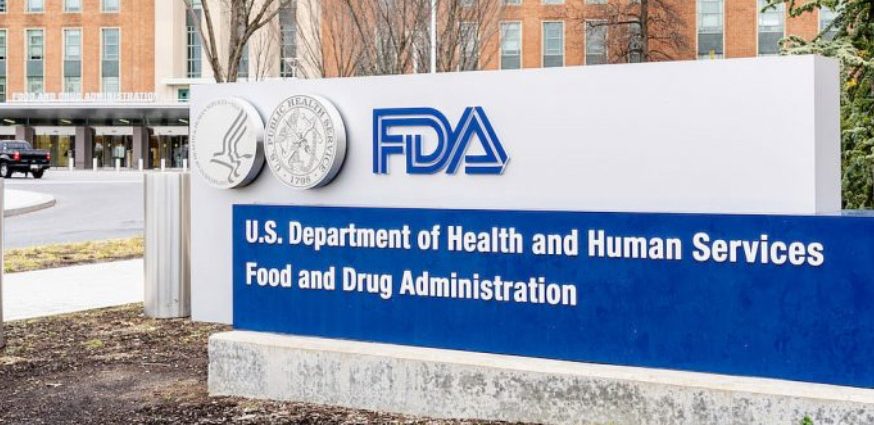
The U.S. Food and Drug Administration (FDA) is preparing to authorize leucovorin—a generic drug also known as folinic acid—for use in children with cerebral folate deficiency and autism symptoms.
The decision, anticipated in the coming weeks, would establish a new application for the drug, which is already prescribed for cancer patients and individuals with certain forms of anemia.
Research indicates leucovorin may enhance verbal communication in some children, though health officials emphasize it is not a cure for autism.
FDA Commissioner Dr. Marty Makary, National Institutes of Health Director Dr. Jay Bhattacharya, and Centers for Medicare & Medicaid Services head Dr. Mehmet Oz wrote in an opinion piece: “In the coming weeks, the FDA will approve prescription leucovorin as a treatment for children with cerebral folate deficiency and autistic symptoms.”
Insurance Coverage Implications
Once the FDA updates the drug’s label, Medicaid and the Children’s Health Insurance Program (CHIP) will be required to cover leucovorin nationwide, they noted.
More than half of all U.S. children receive insurance through these programs.
Scientific Perspective and Limitations
Some scientists believe leucovorin shows promise for folate-deficient children but caution that research data remains limited.
Makary, Bhattacharya, and Oz emphasized in their commentary: “It is important to note that leucovorin is not a cure for autism but has demonstrated an improvement in speech-related deficits for autism.”
Acetaminophen Guidance
In the same opinion piece, the health officials also recommended that pregnant women use Tylenol (acetaminophen) cautiously and in consultation with their physicians. Some studies have suggested possible associations between acetaminophen use during pregnancy and conditions such as autism and ADHD in children.
Dr. Peter Bernstein, an obstetrician-gynecologist at Mount Sinai Hospital in New York City, told Politico: “These studies are looking for associations, they don’t show causation. Not treating a fever may increase the risk of the pregnancy, certainly more than the Tylenol use.”
U.K. Regulators Affirm Acetaminophen Safety
On Monday, health regulators in the United Kingdom also reaffirmed acetaminophen’s safety profile, stating there is no evidence it causes autism. In the U.K., acetaminophen is called paracetamol.
Alison Cave, chief safety officer of the U.K.’s Medicines and Healthcare products Regulatory Agency (MHRA), stated: “Patient safety is our top priority. There is no evidence that taking paracetamol during pregnancy causes autism in children. Paracetamol remains the recommended pain relief option for pregnant women when used as directed.”
This pending FDA approval represents a potential new treatment option for a specific subset of children with autism, though experts stress the importance of appropriate expectations and continued research into the drug’s effectiveness.