
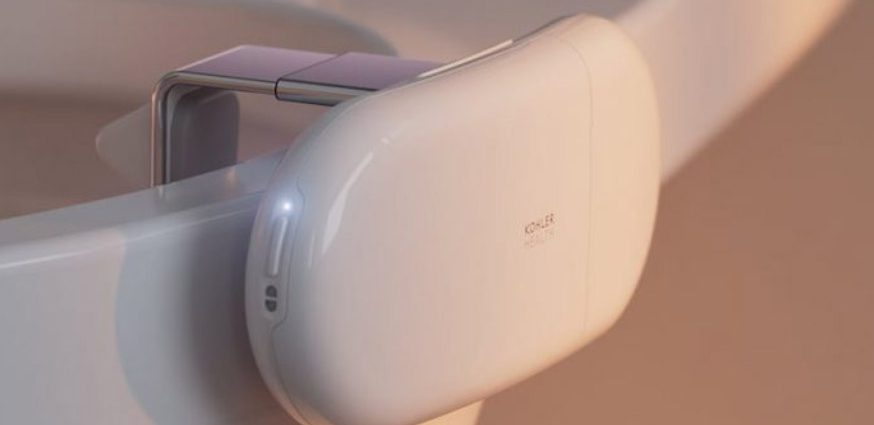
A new “smart toilet” device aims to help people monitor their health by analyzing their bathroom visits.
The Dekoda device attaches to the rim of any standard toilet, where it uses advanced sensors to scan a person’s waste, according to its manufacturer, Kohler Health.
Using this data, individuals can track their hydration levels, gut health, and signs of potential health problems.
For instance, the device detects blood in stool or urine, which can indicate medical issues ranging from infections to cancer.
Kash Kapadia, CEO of Kohler Health, told HealthDay: “We’re able to give you that information so that if it is unusual, you can then take the next step that could be right for you, which may include speaking to a health care professional.”
How the Technology Works
The $599 device uses optical analysis, employing spectroscopy and AI to examine urine and feces. The Dekoda transmits its data to a health app, delivering insights within three to five minutes, Kapadia said.
He explained: “People want to take ownership of their health and their wellness. People are realizing that checking in every day on the core aspects of their health and wellness is increasingly more important.”
Health Metrics Tracked
Results indicate whether a person is dehydrated based on urine concentration.
Kapadia noted: “We’ve all felt it when we feel like, oh, hang on a minute, I really need water. By that time thirst kicks in, it’s often too late. You want to be hydrated consistently.”
The device also informs users about their stool consistency, which serves as a measure of gut health. The app additionally tracks bathroom frequency.
With this information, people can observe how their diet impacts their gut health, Kapadia said.
He added: “You can download a PDF report which is private to you and then take that and have a richer conversation with a health care professional.”
Privacy and Multiple Users
To use the Dekoda, people must sign in using their fingerprint. Multiple accounts can be created to monitor different family members, Kapadia said.
Users simply go to the bathroom, then wait for data to be transmitted to their smartphone.
Kapadia stated: “You just think, oh, it’s just waste and I’m flushing it down, but there’s so much that can be uncovered through its analysis.”
This device represents the latest development in at-home health monitoring technology, offering individuals a convenient way to track important health indicators and potentially detect problems early through daily waste analysis.