
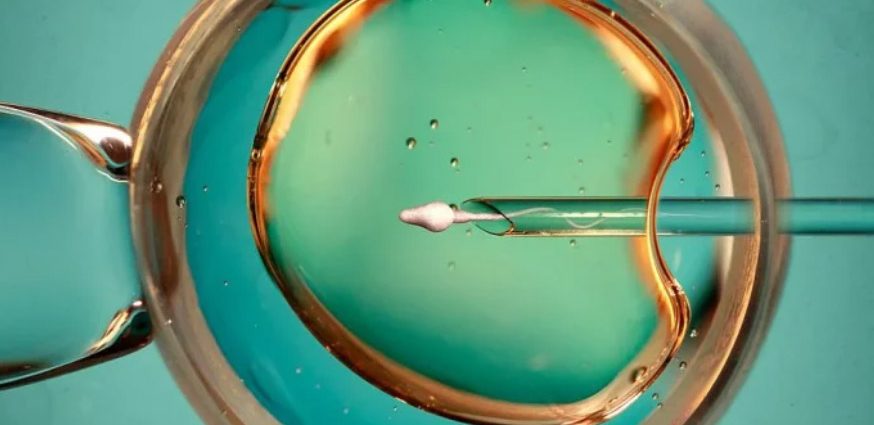
A new IVF technique has helped eight babies in the U.K. avoid serious inherited diseases, and scientists are calling it a breakthrough.
All eight children were born using a method that incorporates DNA from three people: the mother, the father, and a donor.
The goal is to prevent babies from inheriting mitochondrial diseases—a group of rare and untreatable conditions passed down through the mother.
These diseases can cause serious health problems including vision loss, diabetes, and muscle weakness.
Experts estimate that approximately 1 in every 5,000 babies is born with a mitochondrial disease.
How the Technique Works
The new method, first approved in Britain in 2015, adds a small amount of healthy mitochondrial DNA from a donor’s egg. More than 99% of the child’s DNA comes from the parents.
The technique remains illegal in many places, including the United States and France.
Some have called these “three-parent babies,” but researchers say that terminology is misleading, CBS News reported.
Study Results
The first results from the trial were published this week in the New England Journal of Medicine.
Twenty-two women received the treatment at the Newcastle Fertility Centre, resulting in eight births: four boys and four girls. Their ages now range from under 6 months to over 2 years.
Testing showed that in six of the babies, the faulty mitochondrial DNA was reduced by 95% to 100%. Levels were reduced by 77% to 88% in the other two babies.
All eight children are currently healthy, though one experienced a temporary heart rhythm problem that was successfully treated, the researchers noted.
The technique proved “effective in reducing transmission” of mitochondrial diseases between mother and child, researchers wrote.
Scientists plan to monitor the children over time to ensure they remain healthy.
Concerns About “Reversal”
However, three of the babies have shown signs of something called “reversal.”
Dagan Wells, an Oxford University reproductive genetics expert, explained to CBS News: “A phenomenon where the therapy initially succeeds in producing an embryo with very few defective mitochondria, but by the time the child is born the proportion of abnormal mitochondria in its cells has significantly increased.”
This doesn’t mean the treatment failed, but experts want to study it further.
Expert Perspectives
The results are offering hope to families.
Nils-Göran Larsson, a reproductive health expert in Sweden, told CBS News it’s a “very important reproductive option” for families experiencing “devastating” mitochondrial diseases.
However, Peter Thompson, head of the U.K.’s fertility authority, told CBS that only people with very high risk of passing on disease would qualify.
Experts also emphasize that this method should not yet be used for infertility treatment.
French researcher Julie Steffann stated: “It is a question of the risk-benefit ratio: for a mitochondrial disease, the benefit is obvious.”
This breakthrough represents a significant advance in preventing the transmission of devastating genetic diseases, though questions remain about long-term outcomes and the phenomenon of reversal. The technique offers hope to families facing mitochondrial diseases while underscoring the need for continued research and careful patient selection.