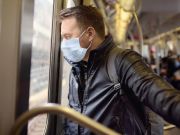
TUESDAY, Jan. 5, 2021 (HealthDay News) — By Nov. 15 of last year, roughly 47 million Americans — about 14.5% of the U.S. population — had already been infected with the new coronavirus, a new study finds. That’s much higher than the close to 11 million known U.S. cases ofContinue Reading


MONDAY, Oct. 26, 2020 (HealthDay News) — If you’re a senior who can’t smell onions, smoke, chocolate or natural gas, it’s time to see your doctor. Seniors who lose their sense of smell — which doctors call olfactory dysfunction — have higher odds of dying from all causes within fiveContinue Reading

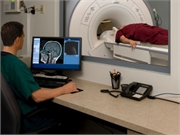
MONDAY, Oct. 26, 2020 (HealthDay News) — For years, people with implanted heart devices have been told they can’t undergo MRI scans. But a new study adds to evidence that, with certain measures in place, the procedure is safe. The study focused on patients with older pacemakers and implantable defibrillatorsContinue Reading

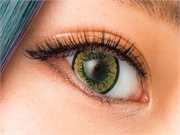
SUNDAY, Oct. 25, 2020 (HealthDay News) — Halloween is risky enough this year with the coronavirus pandemic, so don’t risk your vision as well by wearing costume contact lenses, the American Academy of Ophthalmology (AAO) says. Costume contact lens packaging that claims “one-size-fits-all” or “no need to see an eyeContinue Reading

FRIDAY, Oct. 23, 2020 (HealthDay News) — The United States on Thursday recorded its second highest daily total of new coronavirus cases since the pandemic began, with 75,000 new infections, while eight states broke single-day records of new cases. Also on Thursday, the antiviral medicine remdesivir became the first drugContinue Reading

THURSDAY, Oct. 22, 2020 (HealthDay News) — In a move that widens the pool of people considered at risk for coronavirus infection, U.S. health officials released new guidance on Wednesday that redefines who’s considered a “close contact” of an infected individual. The change, issued by the U.S. Centers of DiseaseContinue Reading

THURSDAY, Oct. 22, 2020 (HealthDay News) — Hispanic mothers-to-be in the southern United States are almost twice as likely to have COVID-19 as non-Hispanic women, a new study finds. The researchers also found that those with government health insurance were more likely to test positive for the coronavirus than womenContinue Reading