MONDAY, March 20, 2023 (HealthDay News) — Do you ever wonder why you typically feel hungry when it’s time for dinner? Researchers say that’s not just a habit, but a physiological drive, with the human body able to predict the timing of regular meals. “We often get hungry around theContinue Reading

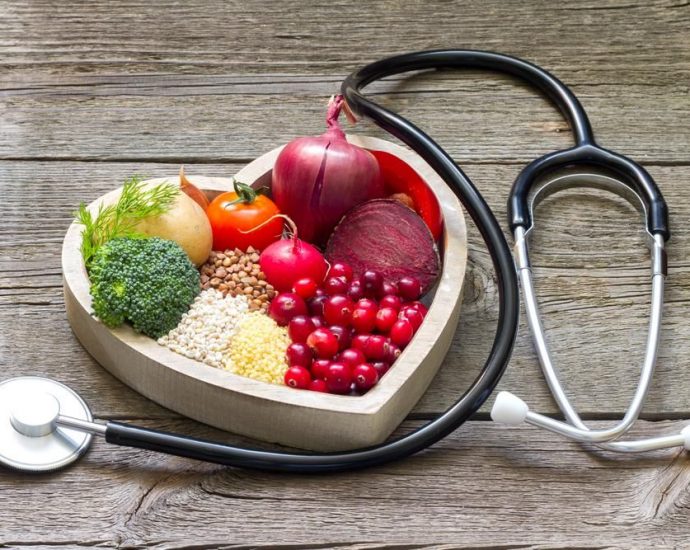
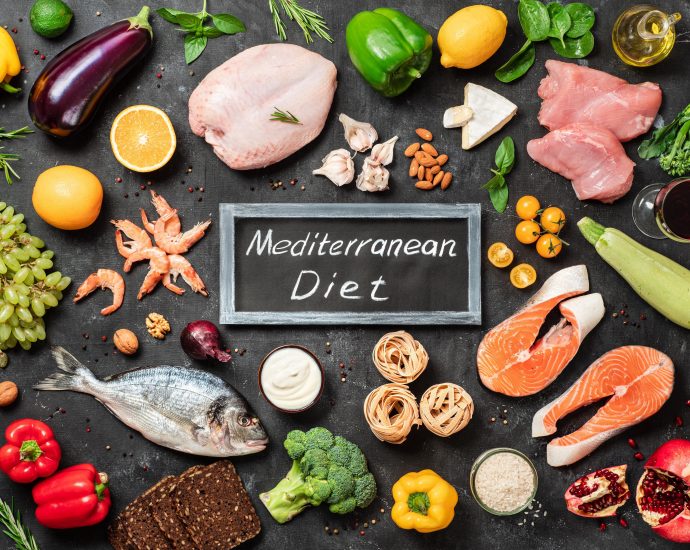
WEDNESDAY, March 15, 2023 (HealthDay News) — Steering clear of red meat, dairy and processed foods in favor of vegetables, fruits, nuts, extra virgin olive oil and whole grains will do a woman’s heart good, a new review shows. How much good? Australian investigators concluded that women who most closelyContinue Reading

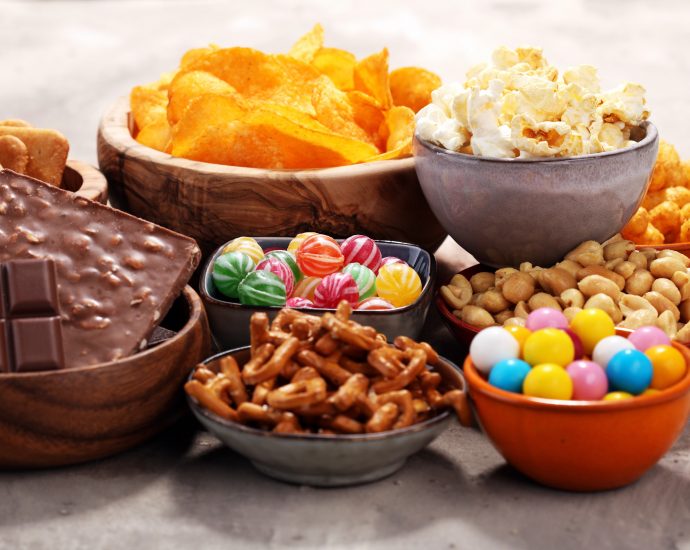
WEDNESDAY, March 15, 2023 (HealthDay News) — Americans are eating more food additives, according to a new study that found about 60% of foods they purchase contain coloring or flavoring agents, preservatives and sweeteners. That’s up by 10% from 2001. “Our research clearly shows that the proportion of ultra-processed foodsContinue Reading

THURSDAY, March 9, 2023 (HealthDay News) — Elderly adults who eat plenty of leafy green vegetables, fish and other healthy fare may take years off their “brain age,” a new study suggests. Researchers found that seniors with either of two healthy eating patterns — the Mediterranean and MIND diets —Continue Reading

WEDNESDAY, March 1, 2023 (HealthDay News) — Most food and water contains “nano-sized” microplastics, and new animal research suggests these tiny particles pass from pregnant rats to their unborn offspring and may impair fetal development. The same could be true in humans, the study suggests. “Much remains unknown, but thisContinue Reading

MONDAY, Feb. 27, 2023 (HealthDay News) — An artificial sweetener commonly used in processed foods could be increasing people’s risk of heart attack and stroke, a new study argues. Erythritol is a natural sugar alcohol found in many vegetables and fruit. Even the human body produces small amounts of erythritol.Continue Reading

FRIDAY, Feb. 24, 2023 (HealthDay News) — It may seem counterintuitive, but a new study review suggests that consuming too little salt could be harmful to heart failure patients. Doctors currently recommend a low-sodium diet to lower blood pressure and avoid fluid buildup and swelling, which can be common symptomsContinue Reading