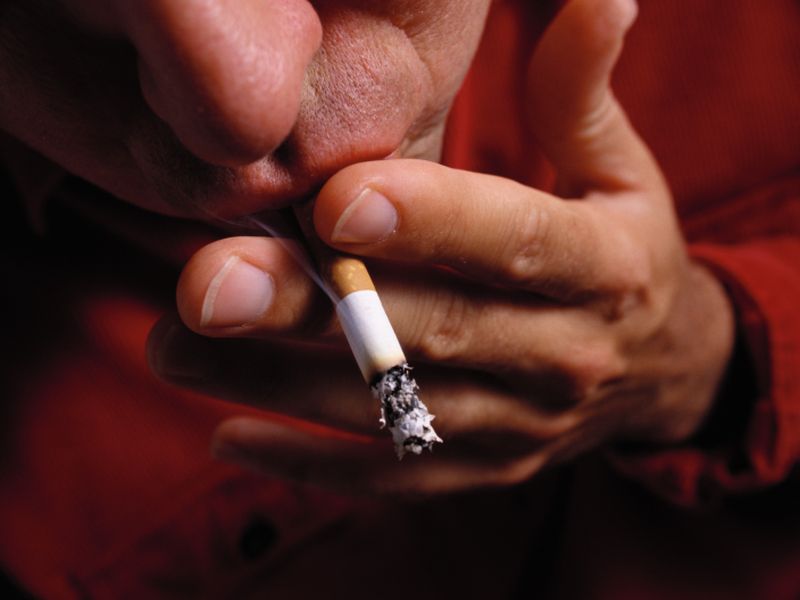
THURSDAY, April 19, 2018 (HealthDay News) — Men under 50 who smoke cigarettes are increasing their risk for a stroke, researchers warn. And the more they smoke, the greater their stroke risk, reported the University of Maryland investigators. The bottom line: quit. But if you can’t, smoking fewer cigarettes mayContinue Reading

THURSDAY, April 19, 2018 (HealthDay News) — The makeup of bacteria in your dog’s digestive tract may be more like your own than you think, researchers say. In a new study, investigators analyzed gut bacteria populations (“microbiomes”) in two dog breeds. The findings showed that the genes in the dogs’Continue Reading

WEDNESDAY, April 18, 2018 (HealthDay News) — Toxic chemicals that have been banned for nearly four decades may be hiding in kitchens across the United States, new research suggests. Polychlorinated biphenyls, more commonly known as PCBs, might be released when cabinet sealants break down, the scientists warn. PCBs are cancer-causingContinue Reading

FRIDAY, April 13, 2018 (HealthDay News) — The flavor you choose for your e-cigarette liquid may determine how many toxins you inhale, new research suggests. Those toxins — called free radicals — are linked to cancer, heart disease, inflammation and other diseases, the scientists said. In the study, citrus andContinue Reading

THURSDAY, April 12, 2018 (HealthDay News) — Bringing high blood pressure under control can reduce older black Americans’ risk of dementia, a new study finds. Black people are at high risk for high blood pressure and dementia, the researchers noted. The study included more than 1,200 black Americans, aged 65Continue Reading

WEDNESDAY, April 4, 2018 (HealthDay News) — Blood levels of a flame retardant have fallen in American children since use of the chemicals was banned in consumer products, a new study finds. Polybrominated diphenyl ethers (PBDEs) were once widely used in household items, such as couches, mattresses, carpet padding andContinue Reading

FRIDAY, March 30, 2018 (HealthDay News) — Women with dark, coarse hair growth on the face, chest or back should be tested for polycystic ovary syndrome and other underlying health problems, a new Endocrine Society guideline says. Hirsutism — the growth of unwanted hair in places where men typically growContinue Reading