
WEDNESDAY, Sept. 21, 2022 (HealthDay News) — Your children’s school clothes may look neat, but are they safe to wear? Maybe not. Researchers found high levels of dangerous chemicals called per- and polyfluoroalkyl substances (PFAS) in school uniforms sold across North America. These chemicals — which can build up inContinue Reading


WEDNESDAY, Sept. 14, 2022 (HealthDay News) — Many women are unhappy with how their bodies look both during and after pregnancy, and it’s an issue that can trigger postpartum depression and eating disorders, a new study suggests. Researchers from Massachusetts General Hospital, in Boston, recently conducted a survey to learnContinue Reading

FRIDAY, Sept. 9, 2022 (HealthDay News) — Your dog may like to lick your hand or face, but if you’re using a chemotherapy cream that treats certain skin conditions, you should not allow it, the U.S. Food and Drug Administration advises. The medication fluorouracil is fatal to dogs when ingested.Continue Reading

WEDNESDAY, Aug. 31, 2022 (HealthDay News) — Munching handfuls of microwave popcorn might be perfect for movie night, but your snack could be loading your body with potentially harmful “forever chemicals,” experts warn. Many microwave popcorn bags are lined with PFAS (perfluoroalkyls and polyfluoroalkyl substances), and evidence has shown thatContinue Reading

TUESDAY, Aug. 30, 2022 (HealthDay News) — Pregnant women are exposed to toxic chemicals in dishware, hair coloring, plastics and pesticides that can heighten their risk of cancer and harm child development, a new study warns. Melamine and its major byproduct, cyanuric acid, were found in nearly all the 171Continue Reading

WEDNESDAY, Aug. 24, 2022 (HealthDay News) — Health authorities are investigating a parvovirus-like illness that has killed more than 30 dogs in northern Michigan, most within three days. The dogs died in Otsego County after showing symptoms such as vomiting and bloody stool, signs of canine parvovirus, but tests wereContinue Reading

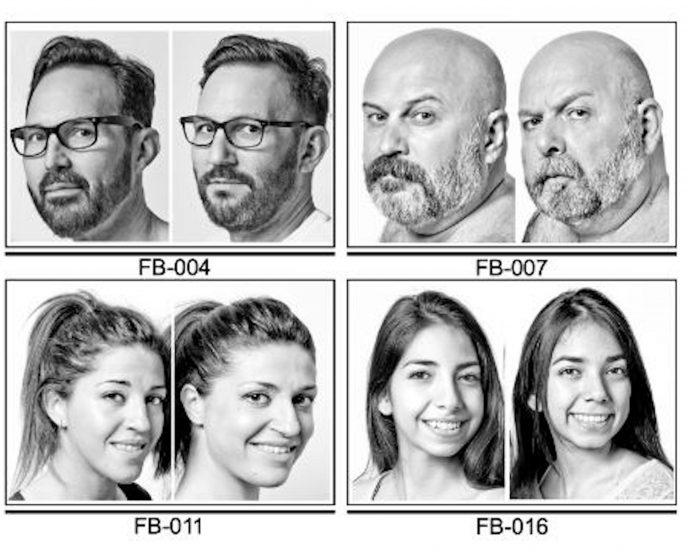
TUESDAY, Aug. 23, 2022 (HealthDay News) — A person’s unrelated lookalike, commonly known as a doppelganger, may actually share genes that affect not only how they appear, but also their behavior. In a new study, scientists did DNA analysis on 32 sets of virtual twins — people with strong facialContinue Reading