
TUESDAY, April 20, 2021 (HealthDay News) — Many women older than 70 can safely receive fewer treatments for early-stage breast cancer, a new study suggests. Researchers found that adding lymph node removal or radiation to women’s treatment did not seem to cut their risk of a breast cancer recurrence, whichContinue Reading

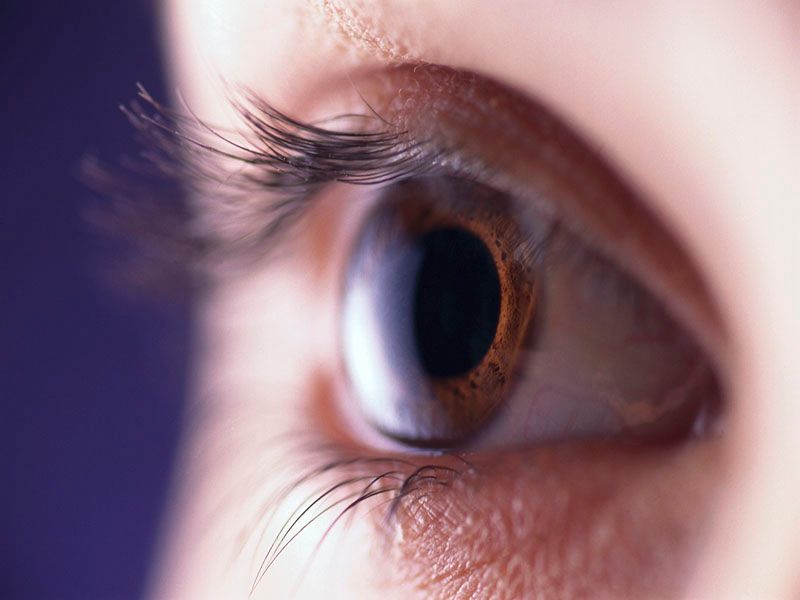
TUESDAY, April 20, 2021 (HealthDay News) — A cutting-edge experimental drug cuts nearly in half the risk of death among patients with a rare but aggressive cancer of the eye, new clinical trial data show. Tebentafusp has now become the first drug shown to improve overall survival in patients withContinue Reading

MONDAY, April 19, 2021 (HealthDay News) — In news that should reassure many pregnant women, having an epidural during childbirth won’t increase the child’s risk of autism, researchers report. The new findings refute a widely criticized 2020 study that said epidurals were associated with a 37% higher risk of autism.Continue Reading

MONDAY, April 19, 2021 (HealthDay News) — Black people experience more severe courses of multiple sclerosis (MS), and now new research suggests that drugs commonly used to treat this disease may not work as well or for as long in these folks. “I was amazed,” said study researcher Dr. GreggContinue Reading

THURSDAY, April 15, 2021 (HealthDay News) — Researchers have successfully introduced human stem cells into monkey embryos in the lab, creating short-lived hybrid organisms that could prove an important step in growing human transplant organs from livestock or creating better animal models for studying human disease. The human/monkey chimeras —Continue Reading

THURSDAY, April 15, 2021 (HealthDay News) — The magic ingredient in “magic mushrooms” may be at least as effective as standard medication for depression, an early clinical trial suggests. The study of 59 patients with major depression tested the antidepressant escitalopram (Lexapro) against psilocybin, which is the psychedelic substance inContinue Reading

TUESDAY, April 13, 2021 (HealthDay News) — Two new studies out of Britain find that although the now-dominant “U.K. variant” of the new coronavirus does spread more quickly, it does not appear to lead to more severe disease in those made ill. The findings should help allay fears that moreContinue Reading

TUESDAY, April 13, 2021 (HealthDay News) –The first device that uses artificial intelligence (AI) to help detect possible signs of colon cancer during colonoscopy has been approved by the U.S. Food and Drug Administration. The GI Genius uses AI-based machine learning to help identify lesions such as polyps or suspectedContinue Reading