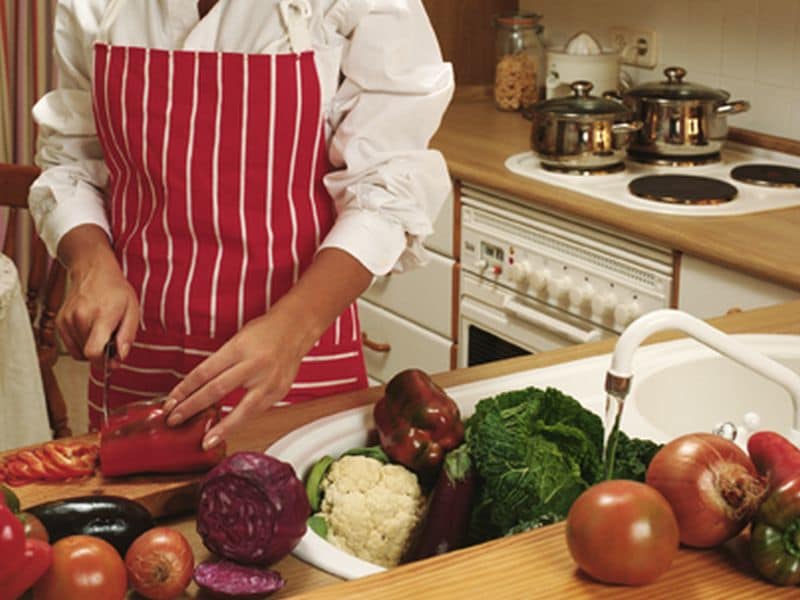
(HealthDay News) — Pregnant women and newborns are more vulnerable to foodborne illness than others, the U.S. Department of Agriculture says. Here are the agency’s suggestions for pregnant and breastfeeding women to avoid foodborne illness: Clean hands and surfaces often. Separate foods to avoid spreading contamination. Cook foods to properContinue Reading

SATURDAY, Aug. 4, 2018 (HealthDay News) — When you’re having a barbecue or picnic, be sure you don’t invite foodborne illnesses caused by salmonella bacteria. Each year in the United States, salmonella causes about 1.2 million illnesses and 23,000 hospitalizations, according to the U.S. Centers for Disease Control and Prevention.Continue Reading

TUESDAY, July 31, 2018 (HealthDay News) — If you’re trying to control your weight, don’t look to caffeine for help. Caffeine is not an effective appetite suppressant or weight-loss aid, researchers report in a small, new study. The study involved 50 healthy adults, aged 18 to 50. The researchers foundContinue Reading

MONDAY, July 23, 2018 (HealthDay News) — Chemicals used to preserve, package and enhance food can harm children’s health, a leading pediatricians’ group says. A growing mound of scientific evidence has linked these chemicals to changes in children’s hormone systems, which can alter their normal development and increase their riskContinue Reading

WEDNESDAY, June 27, 2018 (HealthDay News) — Has that week-old yogurt really gone bad? Did the chicken you bought just three days ago already spoil? Your smartphone might one day be able to tell you, new research suggests. A group of scientists is developing a portable, inexpensive and easy-to-use electronicContinue Reading

FRIDAY, June 15, 2018 (HealthDay News) — The Kellogg Company announced Thursday it was recalling certain boxes of Honey Smacks cereal due to the possibility of contamination with salmonella. In a news release, the company said it “launched an investigation with the third-party manufacturer who produces Honey Smacks immediately afterContinue Reading

TUESDAY, June 12, 2018 (HealthDay News) — Eating a nutritionally balanced high-quality diet may lower a cancer patient’s risk of dying by as much as 65 percent, new research suggests. The finding that total diet, rather than specific nutritional components, can affect a cancer patient’s prognosis “was particularly surprising toContinue Reading