
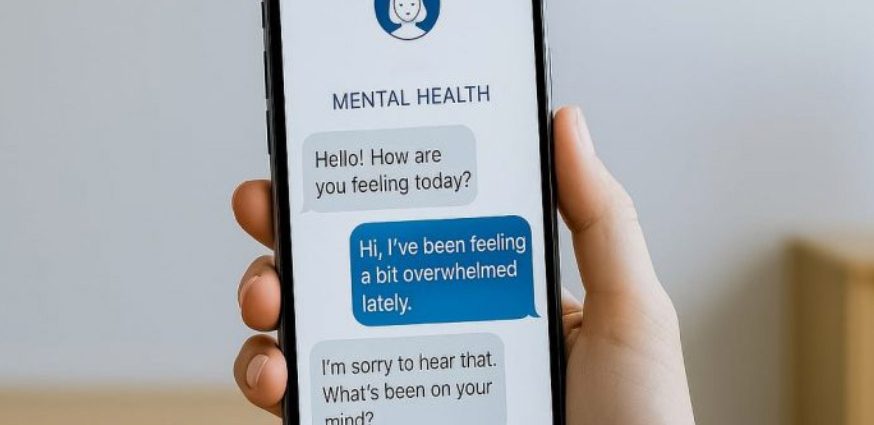
An increasing number of Americans are seeking therapy through text messaging, and new research indicates it can be equally effective as traditional video sessions for certain patients.
In a study published on October 30 in JAMA Network Open, researchers discovered that people with mild to moderate depression who used text-based therapy demonstrated similar improvements compared to those who received weekly video-based therapy.
Study Design
The clinical trial enrolled 850 adults who were randomly assigned to either weekly video therapy sessions or unlimited messaging access with a licensed therapist over 12 weeks.
By the study’s conclusion, both groups reported comparable improvements in depression symptoms.
Study co-author Patricia Areán, a former professor at the University of Washington School of Medicine, told The New York Times: “We were pleasantly surprised to see that it was as good as weekly video therapy. We didn’t really find any differences in the outcomes.”
Study Background
Talkspace, a rapidly expanding digital mental health platform, supported the research and collaborated with investigators to conduct the trial.
Areán explained that the company sought real-world evidence to support potential insurance reimbursement for text-based care—a service most insurers currently don’t cover.
She stated: “They knew that they needed data.”
Clinical Implications
Experts suggest the findings could prove especially valuable for individuals who find it difficult to attend traditional or virtual appointments.
Dr. Jane Zhu, associate professor of medicine at Oregon Health & Science University in Portland who wasn’t involved in the study, told The Times that text-based therapy “could eventually fit into a stepped-care model.”
This approach involves beginning with lower-intensity options like messaging and progressing to more intensive treatment when necessary, Zhu explained.
Retention and Connection
Researchers also observed that participants were less likely to discontinue text-based therapy compared to video sessions.
However, patients in the video group reported that their therapists appeared slightly warmer and more compassionate, suggesting that the personal bond formed in face-to-face sessions may remain somewhat stronger.
Areán noted there were no adverse events during the trial. Yet questions persist about building therapeutic connections when patient and therapist can’t see each other.
Important Limitations
The study excluded individuals with severe mental health conditions, including psychosis or suicidal ideation, meaning text therapy may not be suitable for everyone.
Growing Demand for Mental Health Services
During the pandemic, the number of Americans engaged in therapy more than doubled, rising from approximately 4% of the population to 8.5% by 2021.
Dr. Mark Olfson, a professor of psychiatry at Columbia University Irving Medical Center, said the findings support expanding patient options.
People with milder depression “might reasonably be offered a choice” between text and video therapy, he told The Times.
This research adds to growing evidence that digital mental health interventions can provide accessible, effective care for many patients, potentially helping address treatment barriers and expanding mental health service availability.