
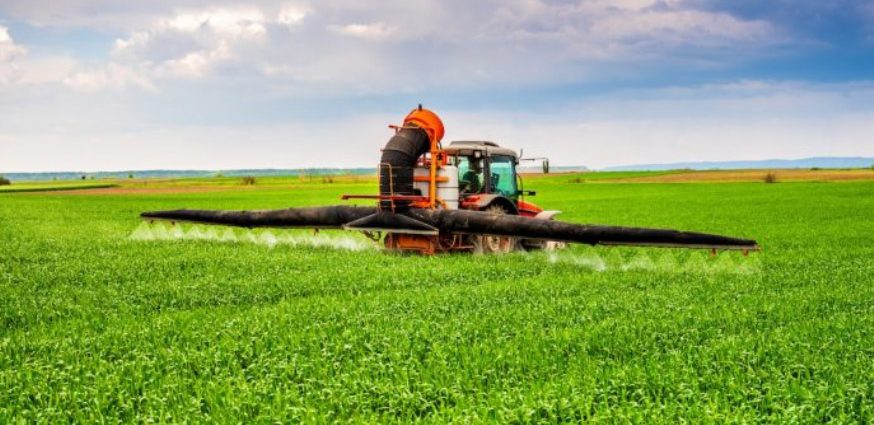
A melanoma cluster discovered in Pennsylvania’s farm country has drawn attention to possible connections between agricultural environments and skin cancer risk.
Research published on November 14 in the journal JCO Clinical Cancer Informatics found that adults aged 50 and older living across a 15-county area in south-central Pennsylvania had a 57% higher chance of developing melanoma compared to residents in other parts of the state.
More Than Just Sun Exposure
The elevated risk extended beyond farm workers who spend long hours working outdoors in direct sunlight.
Both rural communities and metropolitan areas situated near active farmland showed increased melanoma rates. This pattern held even after researchers factored in residents’ exposure to ultraviolet radiation.
Dr. Charlene Lam, an associate professor of dermatology at Penn State Health with positions across multiple central Pennsylvania locations, explained in a news release: “Melanoma is often associated with beaches and sunbathing, but our findings suggest that agricultural environments may also play a role.”
Lam added: “And this isn’t just about farmers. Entire communities living near agriculture, people who never set foot in a field, may still be at risk.”
Examining the Data
Researchers analyzed five years of cancer registry information from 2017 through 2021 across Pennsylvania.
Their analysis revealed significant differences in land use between melanoma cluster counties and other areas. Counties within the clusters had substantially more cultivated farmland—an average of 20% compared to 7% in non-cluster counties.
The data showed a clear correlation: for every 10% increase in cultivated land within a region, melanoma cases rose by 14%.
The Herbicide Connection
The study also uncovered a notable link between melanoma rates and herbicide usage. Cluster counties had an average of 17% herbicide-treated land, while non-cluster counties had less than 7%.
Researchers found that every 9% increase in herbicide use corresponded to a 14% rise in melanoma cases.
Eugene Lengerich, a professor of public health sciences at Penn State in State College and senior researcher on the study, offered this explanation in a news release: “Pesticides and herbicides are designed to alter biological systems. Some of those same mechanisms, like increasing photosensitivity or causing oxidative stress, could theoretically contribute to melanoma development.”
Earlier research has shown that pesticides and herbicides can increase sensitivity to sunlight, interfere with immune system function, and damage DNA in both animals and plants—factors that might elevate melanoma risk in humans as well, the researchers noted.
Environmental Exposure Beyond the Farm
The risk isn’t confined to agricultural workers directly applying herbicides in fields. These chemicals can travel through the air, accumulate in household dust, and contaminate water sources.
Lam emphasized: “Our findings suggest that melanoma risk could extend beyond occupational settings to entire communities. This is relevant for people living near farmland. You don’t have to be a farmer to face environmental exposure.”
Similar patterns have emerged in agricultural regions across Utah, Poland, and Italy, according to the researchers.
Important Caveats
The research team stressed that their study demonstrates an association rather than proving a direct cause-and-effect relationship between agriculture and melanoma.
Lead researcher Benjamin Marks, a medical student at Penn State College of Medicine in Pittsburgh, put it this way in a news release: “Think of this as a signal, not a verdict.”
Marks continued: “The data suggest that areas with more cultivated land and herbicide use tend to have higher melanoma rates, but many other factors could be at play like genetics, behavior or access to health care. Understanding these patterns helps us protect not just farmers, but entire communities living near farmland.”
Protection Recommendations
While more research is needed, Lengerich advised that people living near agricultural areas can take proactive steps to reduce their melanoma risk. He recommended performing regular skin self-examinations, applying sunscreen consistently, and wearing protective clothing including hats when outdoors to guard against sun exposure.
These protective measures remain important regardless of proximity to farmland, but may be particularly crucial for communities in agricultural regions.